Best Artificial Roofing Systems for Ice Dams, Wind, and Seasonal Temperature Level Swings
A roofing that does well in a moderate climate can struggle badly as soon as winter months ice, springtime gusts, and sharp temperature swings go into the photo. That gap comes to be evident in places like north Illinois, where a roof covering may see subzero cold in January, hail in April, humid warm in July, and solid wind events almost whenever of year. Under those problems, product choice matters even more than visual appeal alone.
That is where synthetic roof coverings have actually earned real focus. The best items in this category are not simply trying to mimic slate, cedar, or shake. They are engineered to address useful problems that all-natural products and some conventional roof items usually develop. A well-made synthetic roof covering can provide effect resistance, lighter weight, much better dimensional security, and more regular installation information across intricate rooflines. For property owners taking care of ice dams, duplicated freeze-thaw cycles, or exposure to high winds, those strengths are greater than advertising and marketing copy. They can suggest less repairs, much less water invasion threat, and a much longer solution life.
Not every synthetic product deserves the very same confidence, however. Some are outstanding. Some look attractive from the street but reveal weaknesses after a couple of rough wintertimes. If you are taking into consideration building artificial roof or intending a complete artificial roofing system replacement, it assists to recognize what separates a resilient system from an expensive disappointment.
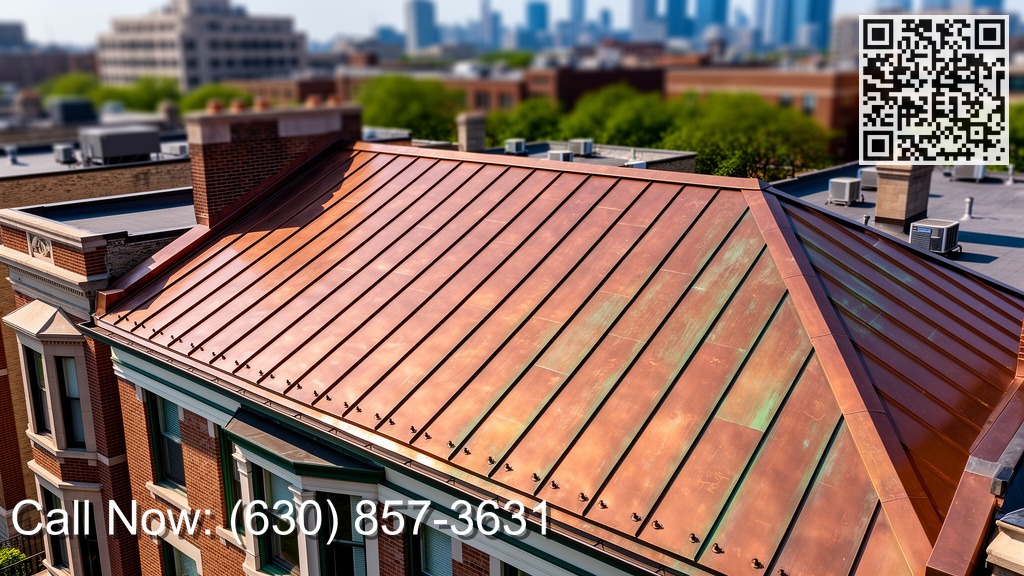
What climate stress and anxiety actually does to a roof
Ice dams, wind uplift, and temperature motion strike a roofing in various methods, but they often show up together. A house sheds warmth right into the attic, snow on the roofing melts, water goes to the cooler eaves, then refreezes. That ridge of ice blocks drainage and pushes water back uphill below the roofing. If the roofing system is badly detailed, leaks follow.
Wind creates a various failing pattern. It does not require to detach half the roofing system in one event to create damage. Repetitive uplift pressure at edges, ridges, valleys, and exposed sides can loosen up elements with time. Fasteners back out. Glue bonds deteriorate. Tabs or edges start to crinkle or babble. When one section opens up, the following storm has a tendency to make it worse.
Temperature swings are quieter however unrelenting. Products broaden in summer heat and contract in winter season cold. In climates with vast seasonal variant, that activity repeats every year. Brittle items crack. Low-grade polymers can warp or tiredness. Flashings different where they ought to stay tight. What looks excellent after installment might not look almost as sound after 5 or ten years of thermal cycling.
This is why costs artificial roofing needs to be judged as a system, not just a surface product. The area pieces matter, yet so do ridge details, underlayment, air flow, ice and water defense, attaching patterns, and the ability of the artificial roofer. On premium homes particularly, where roofing geometry is typically a lot more complex, the weak point is rarely simply the tile itself.
Why artificial roof covering has actually come to be such a solid option
Traditional slate is stunning and extremely resilient, yet it is hefty, pricey to set up, and demanding on the framework below it. Cedar tremble deals personality, but in tough environments it requires interest and can become susceptible to splitting, dampness retention, and aging troubles. Asphalt remains typical completely factor, yet also quality laminated shingles can have a hard time when homeowners want the look of natural products plus greater impact resistance and much less weight.
Synthetic roof sit in a helpful middle ground. The most effective ones are molded from advanced polymers, composite blends, or crafted materials that mimic slate or tremble surprisingly well. Extra significantly, they are designed for uniformity. All-natural products differ piece to piece. Good synthetics do not. That makes format a lot more predictable, setup more controlled, and performance much less dependent on the luck of the pallet.
From a contractor's perspective, among the most significant advantages is weight. An artificial slate roof covering can commonly supply the appearance of quarried slate without placing the same architectural problem on the home. That opens the door for artificial roof for luxury homes where proprietors want a polished appearance without enhancing mounting throughout the house. It additionally simplifies several synthetic roof substitute jobs, particularly when an older home was never ever developed for the dead load of actual slate or tile.
The much better items likewise deal with influence and movement more gracefully. In practical terms, that implies fewer broken items from foot web traffic, hailstorm, or moving temperature levels. I have seen roofings where weak materials looked penalty from the driveway but split around fasteners after a series of cold wave. Good synthetic roofing shingles are typically much more flexible, supplied the item is rated well and mounted correctly.
The attributes that matter most in ice dam country
If ice dams are part of your winters months, appearance should not be your very first filter. The roofing has to shed water, endure back-up, and maintain tight details at vulnerable points.
The first point to look at is the item's capacity to stay dimensionally stable in winter. Some lower-end synthetics can end up being stiffer and less resilient when temperatures drop. That does not automatically mean failure, however it can enhance the opportunity of cracking under stress and anxiety, especially near attaching factors or where installers overdrive nails. Much better materials continue to be difficult without ending up being brittle.
The second problem is surface area style. Not all profiles lost snow and water similarly. Deeply textured synthetic shake products can be beautiful, yet if the style catches snow unevenly or creates much more disturbance to drainage, detailing becomes much more essential. In locations prone to ice development, I have a tendency to favor systems with a strong document of water losing and accessory components that incorporate easily at valleys, eaves, and sidewalls.
The third concern is what takes place below the noticeable roof. Ice dams reveal every shortcut in underlayment selection. Even the very best artificial roofs require robust ice and water membrane layer in the best zones. Along eaves alone https://johnathanbmuc156.novacrestiq.com/posts/artificial-roofing-for-luxury-residences-with-demanding-building-designs is not constantly enough. Roof-to-wall crossways, valleys, penetrations, and low-slope changes commonly are entitled to added interest. An experienced artificial roofing contractor Chicagoland house owners trust will normally speak more concerning these details than regarding color examples, which is an excellent sign.
Ventilation also matters, though it is usually oversimplified. Property owners are sometimes informed that much better ventilation alone will certainly stop ice dams. In truth, the issue is typically a mix of attic heat loss, air leakage, insulation spaces, roofing system geometry, and weather. Air flow helps manage roof covering deck temperature level, but it is not a magic bullet. An excellent roof covering method addresses the assembly as a whole.
Wind efficiency has to do with layout and installation together
Many roofing brochures highlight wind rankings, yet those numbers need context. Laboratory testing issues, yet area efficiency depends on direct exposure, roofing system form, attaching accuracy, and edge detailing. An item rated for high wind can still underperform on a home with long open bring, high gables, and improperly protected starter courses.
Synthetic items usually have an advantage below due to the fact that they are lighter than slate or floor tile and can be crafted with interlocking or high-securement layouts. Some artificial roof covering tiles resist uplift quite possibly when installed to spec. That expression issues, since wind failings frequently trace back to tiny misses, not catastrophic oversights. Bolts put expensive, also few nails per piece, avoided seal points, or inadequately integrated ridge components can all create weak links.
In areas around Chicago, these details matter more than many home owners recognize. Solid storm fronts can produce stress changes that check every vulnerable edge. On larger custom-made homes, I usually pay close attention to the rake information, hip and ridge add-on, and just how the roof transitions onto patios, dormers, and turret-like features. These are the areas where wind starts to choose at a roof.
This is one factor experienced artificial roof installers are worth seeking out. A crew that primarily sets up conventional asphalt might be exceptional in its lane, however synthetic systems typically call for a different rhythm and tighter familiarity with manufacturer-specific details. That does not imply the job must be challenging. It does imply that accuracy matters.
Seasonal temperature level swings reveal the distinction in between suitable and superb materials
A roofing in the Midwest can go from below zero in winter months to more than 140 levels at the surface under summer season sunlight. Products expand and contract across that complete range. If the polymer mix, reinforcement, and fastening style are not up to the task, age appears much faster than expected.
The ideal premium artificial roofing products are formulated to take care of duplicated thermal motion without losing form or durability. They resist curling, splitting, and surface fatigue better than bargain alternatives. This is especially important on darker shades, south-facing slopes, and steep roofing system planes that see extreme sun direct exposure in summer season and sharp nighttime cooling.
One functional clue is just how an item has actually performed with time in environments comparable to yours. An artificial roof covering company with years of neighborhood experience need to be able to speak openly about which items have actually held color, remained flat, and resisted cold-weather splitting. They might not share a spread sheet of every callback, yet they usually understand which lines have actually gained trust and which ones have produced headaches.
For property owners thinking about artificial roof covering Chicago jobs, or checking into artificial roof Naperville IL, local environment background matters more than a glossy nationwide sales brochure. An item that executes wonderfully in a milder seaside environment may not verify itself the same way after 10 Chicagoland winters.
Synthetic slate versus artificial shake
This contrast shows up frequently, particularly in areas with higher-end architecture. Both categories can perform well, yet they produce somewhat different danger accounts and visual effects.
Synthetic slate typically offers a cleaner water-shedding profile and a much more formal look. On homes with stone, block, or traditional architectural lines, it usually looks appropriate and restrained. Since the profile is usually flatter than a hand-split shake look, some artificial slate systems are a little simpler to detail in water-sensitive areas. That can be an advantage where ice dam exposure is a recurring concern.
Synthetic shake tends to supply more structure and shadow lines. It can look outstanding on transitional, French country, lake-style, or craftsman-inspired homes. The much better items are encouraging from curb distance and still attractive up close. But larger texture and thicker profiles put even more stress on the installer to obtain spacing, placement, exposure, and accessory assimilation exactly right. Water monitoring is still really achievable, but it requires mindful execution.
For synthetic roof for high-end homes, the choice usually comes down to architectural fit initially, then item pedigree, after that installer experience keeping that specific system. The most safe path is seldom picking the most significant profile. It is choosing the item whose appearance matches your house and whose long-term behavior is well understood.
What divides premium products from the rest
There is no solitary test that tells the whole tale, however in technique I try to find a combination of material top quality, accessory completeness, support from the manufacturer, and a realistic performance record.
A premium artificial roof item commonly shows its high quality in subtler means. The edges correspond. The shaped appearance looks willful, not repeated and plastic. The pieces feel durable in hand without being excessively inflexible. Color mixing is controlled rather than blotchy. Perhaps most important, the full system is analyzed. Ridge caps, starter parts, hip information, and air flow compatibility are not afterthoughts.
Cheaper products frequently reveal themselves throughout installation. The cuts might fray or chip a lot more quickly. Density can vary. Bolt zones might not feel as robust. Layout can come to be picky because the manufacturing tolerances are looser. On a simple shed roofing, maybe that is convenient. On a complex custom-made home, those inconsistencies have a tendency to compound.
That is why a residential synthetic roof covering conversation must include both product and labor at the exact same time. Saving money on product just to invest a lot more on repairs or a premature synthetic roof substitute is seldom a bargain.
Installation choices that matter more than homeowners expect
Most roofing failings are not remarkable product failures. They are setting up failures. A house owner may think the synthetic roof shingles are responsible, when the actual leakage came from a hurried valley information, inadequate membrane coverage, inadequate blinking integration, or bad air flow planning.
A successful artificial roof covering installment usually begins with the tear-off stage and deck assessment. Older homes usually have actually hidden deck damage, missed sheathing fixings, or uneven airplanes that impact the finished appearance. Artificial products can disguise some blemishes, however not all. On high-visibility roof coverings, surface flatness matters.
Fastener option matters also. So does just how those fasteners are driven. Overdriven bolts can deteriorate attachment. Underdriven bolts can hold pieces off the deck and create stress points. With some systems, the maker's installation pattern is not a suggestion. It is central to the wind and service warranty performance.
Flashing steel is worthy of much more respect than it typically gets. Contractors occasionally concentrate on the primary area and treat metalwork as background woodworking. But on roof coverings handling snow and freeze-thaw cycling, metal at valleys, smokeshafts, skylights, and wall surface intersections often establishes whether the assembly stays dry.
For that reason, when choosing an artificial roofer, I listen very closely to exactly how they discuss information. If the entire conversation centers on the noticeable product, with little conversation of membrane layers, flashings, ventilation, and attic room conditions, that is not enough.
Questions worth asking before you pick a system
A great sales conversation must leave you far better informed, not simply comforted. The appropriate contractor should be able to explain why a provided artificial roofing system fits your residence, your climate exposure, and your budget.
Here are a few inquiries that generally reveal whether you are taking care of a well-informed synthetic roof covering company:
- How has this certain item carried out locally with multiple winters and summertime warm cycles?
- What is your prepare for ice and water membrane protection beyond the basic eaves?
- How do you manage ridge, valley, and wall flashing information on complex rooflines?
- Who on your crew has straight experience with this manufacturer's system?
- What problems would certainly make you suggest a various synthetic item, or a various roof covering material altogether?
Those responses ought to sound particular. Obscure confidence is very easy. Beneficial confidence comes with details.
Where artificial roof makes one of the most sense
Synthetic roof covering is not instantly the right solution for every home. On a really simple house where budget plan is the primary problem, a premium asphalt roofing system might still make even more economic feeling. If a home owner desires real all-natural slate and the framework can sustain it, all-natural stone remains an impressive roof material.
But artificial roof coverings are usually the sweet area when a property owner desires raised appearance, reduced structural worry, strong climate efficiency, and reduced maintenance compared to some all-natural products. They are specifically compelling on homes with intricate design, bigger roof covering areas, or areas where aesthetic character matters.
I see the toughest situation for synthetic roof coverings in residences revealed to recurring freeze-thaw cycles, periodic hail storm, and gusty storms, specifically the sort of pattern typical in Chicagoland. That is why searches for artificial roof covering Chicago or artificial roof covering Naperville IL remain to increase. Property owners are trying to find something a lot more durable than a basic roofing system, however more useful than the weight and expense of conventional slate or tile.
The actual value is in less weak points
When homeowners request the most effective roofing for ice dams, wind, and seasonal temperature swings, they are generally wishing for a miracle product. There is no miracle product. There are only systems that decrease weak points much better than others.
The best artificial roof coverings do that well. They integrate a resilient, steady roof covering material with thoughtful style, strong device parts, and self-displined installation. They can deliver the appearance of slate or cedar without many of the disadvantages that natural products offer extreme climates. They can also exceed expectations when they are paired with correct attic insulation, air sealing, ventilation, and blinking work.
If you are assessing architectural synthetic roof covering for your home, focus less on the sales pitch and even more on the roof's likely habits over fifteen or twenty wintertimes. Ask how it deals with backed-up water. Ask what occurs at the sides in strong wind. Ask exactly how the product reacts to duplicated temperature swings. Ask to see neighboring tasks that are no more brand name new.
That is where the greatest products and the very best specialists divide themselves. Not in the showroom, yet on real homes, after genuine weather condition, with absolutely nothing entrusted to hide.
When Quality Matters
Salvo Architectural Roofing Contractors
566 West 5th Ave Naperville, IL 60563
(630) 857-3631
 Ask ChatGPT
 Ask Grok
 Ask Perplexity
 Ask Claude
 Ask Google AI
 Ask You